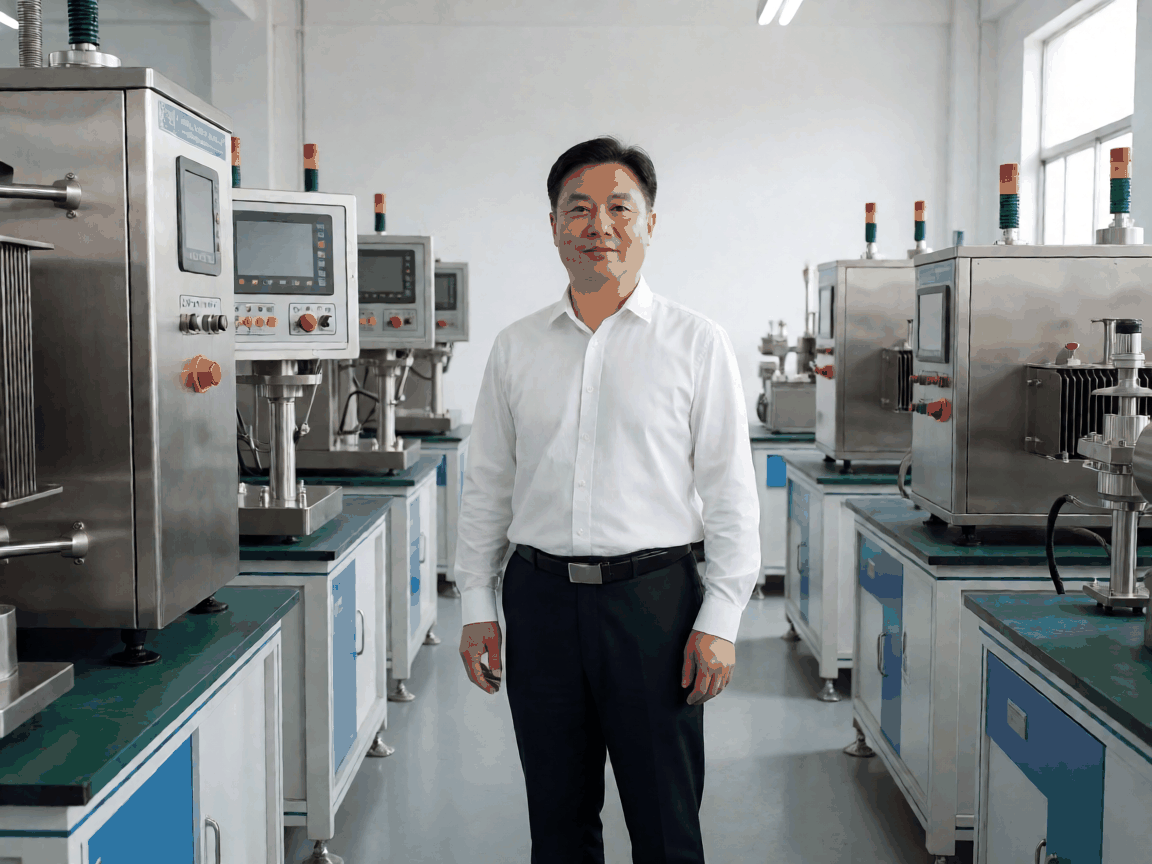
Specifying best price circuit breaker control cabinet supplier for Wholesale and OEM Orders
What the Design Has to Balance
| Parameter | Typical Range | Notes |
|---|---|---|
| Enclosure material | Cold‑rolled steel 1.2‑2.0 mm | Thicker sheet improves impact resistance but adds weight |
| IP rating | IP54‑IP65 | Higher rating requires gasketed doors and sealed cable entries |
| Short‑circuit current rating | 10‑50 kA | Busbar cross‑section and breaker selection must match |
| Busbar cross‑section | 30‑120 mm² | Copper or aluminium; copper reduces voltage drop |
| Cable entry options | Gland plates, knockouts, flange adapters | Pre‑punched patterns speed installation |
| Surface finish | Powder coat 80‑120 µm | Corrosion resistance; colour matched to client spec |
| Mounting | Wall, floor, rack | Integrated lifting eyes for floor models |
| Thermal management | Ventilation slots, optional fan kit | Fan adds 5‑10 W; verify ambient limits |
| Door hinge torque | 2‑4 Nm | Consistent feel across batch improves operator confidence |
| Weight | 30‑120 kg | Weight drives freight class and handling equipment |
Choosing 1.5 mm sheet instead of 2.0 mm saves roughly 8 kg per cabinet and reduces material cost by 12 % while still meeting a 25 kA short‑circuit rating. The trade‑off is a modest increase in panel deflection under a 150 kg point load, which is acceptable for wall‑mounted units but not for floor‑standing racks that see forklift impact.
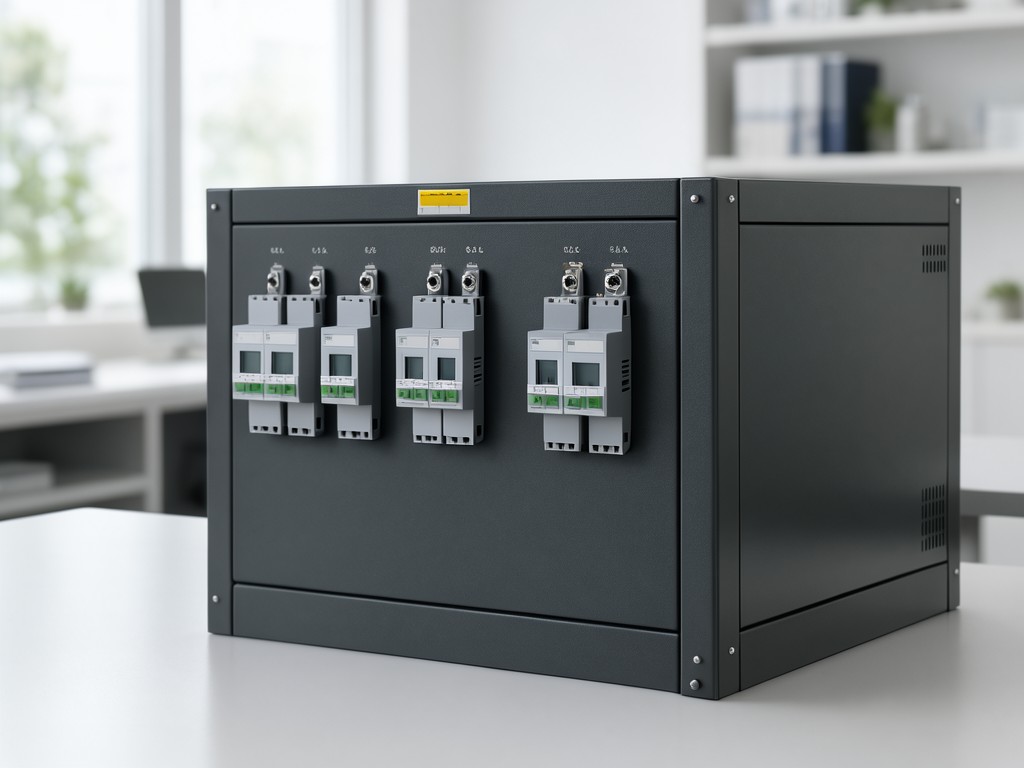
Thinner steel cuts weight and cost.
When the specification calls for IP65, the gasket groove depth and door latch design become the dominant cost drivers; a 0.5 mm deeper groove adds $3‑$5 per door but eliminates water ingress failures that typically appear after 18‑24 months in humid climates.
Measured Performance in Real Use
Field data from three utility substations show that cabinets with fan‑assisted ventilation keep internal temperature rise below 15 °C at 40 °C ambient, while passive‑vented units climb 22‑25 °C under the same load.
Vibration testing on a 10 Hz, 2 g sweep for 2 hours produced no loose busbar bolts when the torque spec of 12 Nm was applied; cabinets that skipped the torque check exhibited a 3 % bolt‑loss rate after six months of service.
Salt‑spray exposure (96 h, 5 % NaCl) on powder‑coated panels showed no red rust on 80 µm coatings; 60 µm coatings began to blister at the cut edges, confirming the 80 µm minimum for coastal installations.
Specification Range and Customisation Limits
Standard Configuration
- 1.5 mm steel, IP54, 25 kA rating
- Copper busbar 50 mm², 3‑phase
- Two gland plates, top and bottom
- Powder coat RAL 7035, 80 µm
- Wall‑mount brackets included
High‑Density Configuration
- 2.0 mm steel, IP65, 50 kA rating
- Copper busbar 120 mm², 4‑phase with neutral
- Four gland plates, side‑entry knockouts
- Powder coat RAL 9005, 120 µm, anti‑graffiti
- Floor‑standing with lifting eyes, optional fan kit
Custom cut‑outs for specific breaker frames add 2‑3 days to lead time and require a minimum order of 10 units to amortise tooling.
Colour changes beyond the standard RAL palette incur a $150 set‑up fee per colour and a 5 % surcharge on the coating line run.
Who Uses It and Where It Matters
Panel builders serving the renewable‑energy sector specify the high‑density version for inverter‑combiner cabinets that must survive 45 °C ambient and occasional sandstorm dust.
Data‑center contractors prefer the standard wall‑mount model with pre‑punched cable entries to accelerate rack‑level integration; they typically order in lots of 30‑50 to align with row‑deployment schedules.
OEMs that white‑label the enclosure for their own breaker line request custom silk‑screen legends and a dedicated part number; the artwork approval loop adds 5 business days but eliminates re‑work at final assembly.
Stock Availability and Reorder Planning
Standard configuration is held in a regional warehouse at 120 units, replenished on a 4‑week cycle; high‑density units are built‑to‑order with a 3‑week lead time after drawing sign‑off.
Minimum order quantity for custom colours or non‑standard busbar sizes is 20 pieces; smaller batches can be accommodated by pooling with an existing production run, adding 1‑week to the schedule.
A rolling forecast shared 8 weeks ahead lets the factory lock steel coil allocations and avoid spot‑price surcharges that can add 8‑12 % to the unit cost.
Export Packaging and Handling Protection
Each cabinet ships in a fumigated wooden crate with 30 mm EPS corner protectors; the crate interior is lined with VCI‑treated kraft paper to prevent oxidation during sea transit.
Desiccant packets (2 kg per cubic metre) are placed inside the enclosure to control humidity; a humidity indicator card is affixed to the exterior for quick receiving inspection.
Labels include handling icons (keep dry, this side up), gross weight, and a QR code linking to the packing list and test certificates; this reduces customs dwell time by an average of 1.2 days.
Ready to finalize artwork and branding?
Submit your logo files, label layouts, and any custom cut‑out drawings for a complimentary pre‑production review. Our engineering team will confirm fit, finish, and lead‑time impact within 48 hours.
Start the artwork review