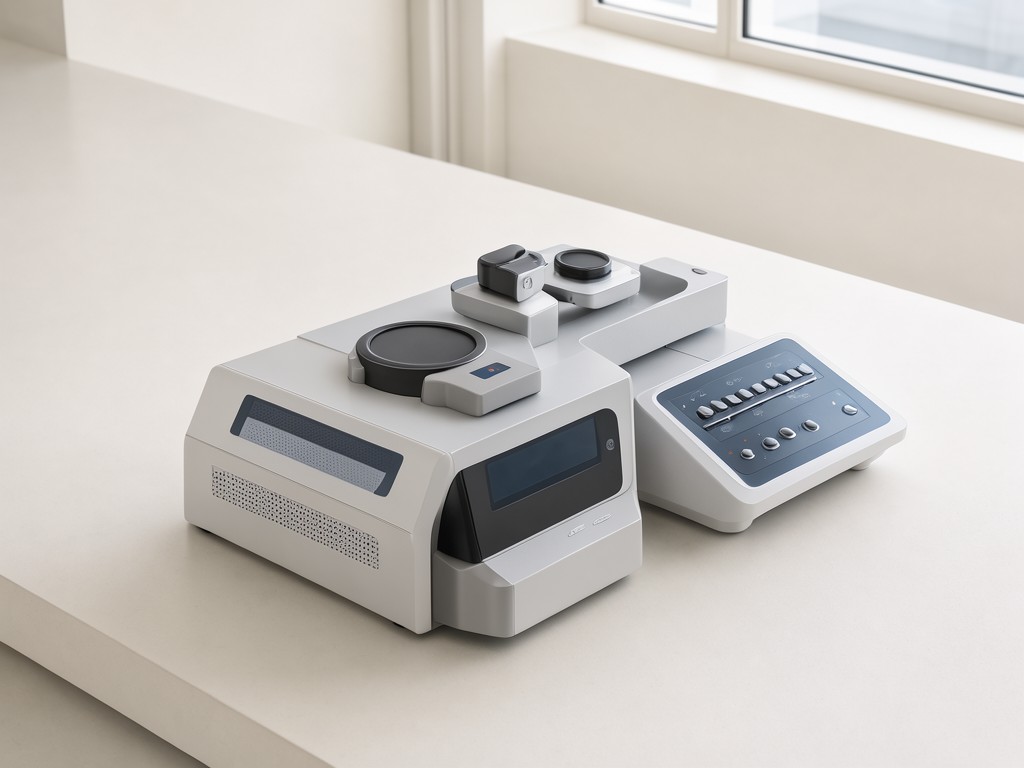
oem ct pt analyzer test set factory: Specification, Ordering and Quality Notes
Option Comparison by Usage Level
| Parameter | Standard Field Unit | High-Voltage Lab Unit | Automated Production Unit |
|---|---|---|---|
| Voltage Output Range | 0–5 kV AC / 0–10 kV DC | 0–50 kV AC / 0–70 kV DC | 0–12 kV AC / 0–15 kV DC |
| Current Output Range | 0–20 A AC | 0–100 A AC | 0–50 A AC |
| Weight (kg) | 8–12 | 45–60 | 25–35 |
| Enclosure Rating | IP54 | IP20 (indoor rack) | IP20 (cabinet mount) |
| Control Interface | Touchscreen + USB | PC software + Ethernet | PLC + Modbus/TCP |
Field units prioritize portability and battery runtime; lab units trade weight for voltage headroom; production units integrate directly into test cells. Selecting the wrong class adds hidden cost — field crews carry excess mass, lab staff hit voltage limits, production lines lack automation hooks.
Buying Mistakes That Lead to Returns
Critical Oversight
Skipping a documented calibration traceability chain. Without ISO/IEC 17025 traceable certificates for each output range, the unit cannot be accepted into utility maintenance programs or factory quality gates. The cost of retroactive calibration often exceeds the price delta between a qualified and an unqualified source.
Another frequent error is specifying only the maximum voltage without defining the required resolution at low ends. A 50 kV unit that cannot resolve 10 V steps will miss early insulation degradation on low-ratio CTs. Similarly, ignoring software export formats (CSV, XML, proprietary) forces manual transcription, introducing transcription errors and delaying report turnaround.
- Assuming all units share the same CT/PT connection cable set — connector polarity and pin-out vary by manufacturer.
- Ordering without confirming firmware update policy; locked firmware prevents adding new test standards later.
- Overlooking the need for a local service depot; shipping a 50 kg lab unit overseas for repair adds weeks of downtime.
Who Uses It and Where It Matters
Utility substation crews run ratio and polarity checks on live CTs during commissioning and periodic maintenance. Transformer manufacturers perform type tests and routine tests on every unit leaving the factory. Railway electrification teams verify instrument transformers on traction substations where harmonic content stresses insulation differently. Each group demands repeatability within ±0.2% for ratio and ±2 minutes for phase angle, but the test sequence duration, environmental exposure, and data handling differ sharply.
A field crew values a 10 kg unit that survives a drop from waist height onto concrete. A factory test engineer values a 50 kg rack that runs 200 cycles per shift without thermal derating. A railway team values a unit that operates at -25 °C and rejects common-mode noise from traction converters. The same core measurement engine serves all three, but the mechanical packaging, cooling strategy, and firmware filters are where the cost and lead-time diverge.
Segment-Specific Requirements
| Metric | Utility Field Testing | Transformer Factory | Railway Electrification |
|---|---|---|---|
| Required Accuracy Class | 0.2% ratio / 2 min phase | 0.1% ratio / 1 min phase | 0.2% ratio / 2 min phase |
| Typical Test Cycle Time | 3–5 minutes per CT | 30–60 seconds per CT | 5–8 minutes per CT |
| Data Logging Capacity | 500 tests internal | Unlimited via network DB | 2000 tests internal |
| Environmental Rating | IP54, -10 to +50 °C | IP20, +10 to +35 °C | IP54, -25 to +55 °C |
| Noise Immunity Requirement | Standard IEC 61000-4-3 | Standard IEC 61000-4-3 | Enhanced (traction harmonics) |
Factory lines need speed and integration; they pay for PLC interfaces and automated pass/fail reporting. Railway teams pay for extended temperature range and harmonic rejection filters. Field crews pay for ruggedization and battery autonomy. The bill of materials shifts accordingly — conformal coating, industrial SSD, fanless heatsink, or extended-range power supply.
Export Packaging and Handling Protection
Standard Export Crate
- Plywood sheathing 12 mm, ISPM-15 heat treated
- Polyethylene foam inserts cut to unit profile
- Desiccant sachets (2 per cubic meter)
- VCI film wrap for corrosion inhibition
- Shockwatch indicator 25G
Custom Foam-In-Place
- Two-component polyurethane foam molded around unit
- Eliminates voids, distributes impact evenly
- Adds 3–5 kg per package
- Reusable for return calibration shipments
- Required for units >30 kg or with protruding connectors
Standard crates suffice for field units shipped palletized. Lab and production units — heavier, with sensitive front-panel controls — justify foam-in-place. The extra packaging cost (typically 8–12% of unit value) prevents connector bending and internal PCB flex cracks that appear only after weeks of operation. Always specify tilt sensors and temperature loggers inside the crate for high-value shipments; the data resolves carrier disputes without ambiguity.
Care, Storage and Service Life
Calibration Schedule
- Annual traceable calibration minimum
- Every 6 months for factory units running >200 cycles/day
- After any impact >15G recorded by Shockwatch
Storage Conditions
- Temperature: -20 to +60 °C (non-operating)
- Humidity: <80% RH non-condensing
- Battery storage at 40–60% charge, recharge every 6 months
Firmware & Software
- Quarterly security patches via encrypted USB
- Major version upgrades require factory authorization
- Backup configuration before any update
A unit stored beyond 12 months without power-up may develop electrolytic capacitor reforming issues; apply rated voltage gradually through a variac over 30 minutes before full operation. Clean ventilation grilles monthly in dusty environments — a 2 mm dust layer raises internal temperature by 8–10 °C, accelerating fan bearing wear and reducing calibration stability. Replace internal backup battery (CR2032 or BR2/3A) every 3 years regardless of voltage reading; sudden loss of date/time stamps invalidates test logs.
Ready to Qualify a Second Source?
Submit your test specification, annual volume, and target delivery window. We will return a tooling review, sample plan, and per-unit cost breakdown within 5 business days.
Request Tooling Review