china dynamic contact resistance measurement device factory - Bulk Supply and Specification Guide
Scope of Supply and Physical Form
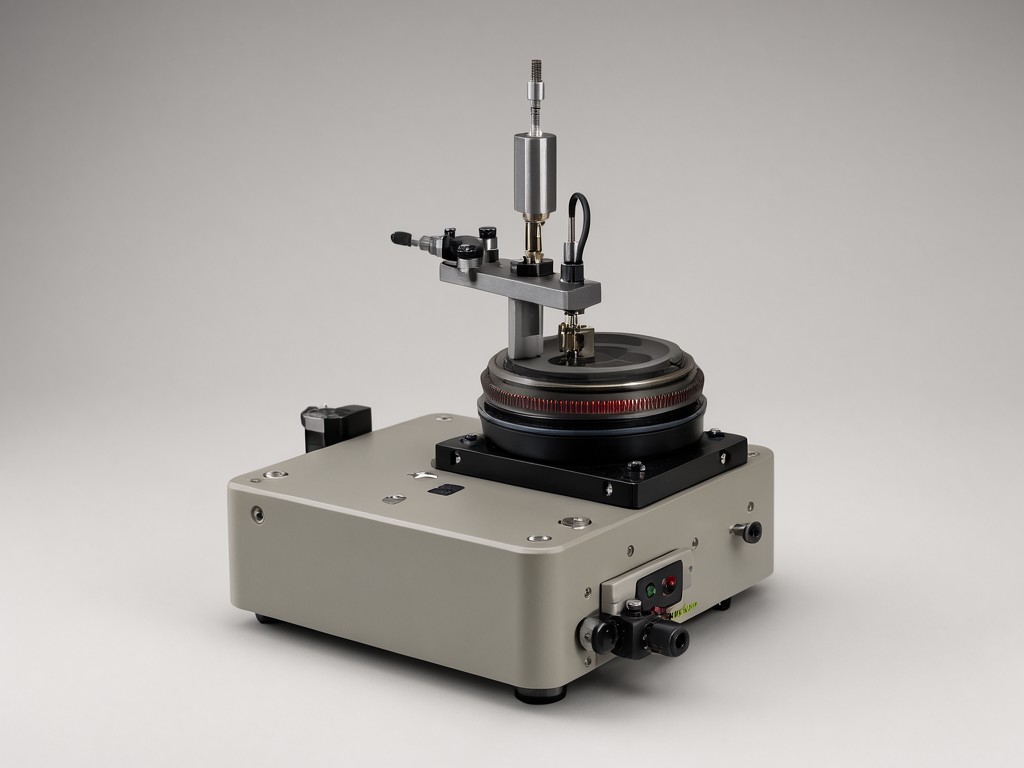
Each shipment leaves as a complete test system: main unit with integrated industrial PC and 10.4-inch resistive touchscreen, dual-channel 200 A DC current source, four voltage measurement inputs with 1 µΩ resolution, timing inputs for main and resistor contacts, 5 m high-current cables with Kelvin clamps, USB and Ethernet interfaces, and a rugged IP65 transit case. Optional accessories — external 600 A booster, GPS time-sync module, and battery pack for off-grid substation work — ship in the same crate when specified on the purchase order.
Balance and load analysis shows that the 200 A base unit covers 85 % of GIS and dead-tank breaker commissions up to 550 kV; the 600 A booster extends coverage to generator circuit-breakers and large live-tank units without changing test leads. The case interior uses CNC-cut foam keyed to each module so that re-packing after field use cannot misplace cables or bend connector pins — a frequent cause of warranty returns on competitor kits.
The Problem Buyers Keep Paying For
Deflection under load governs the real cost of ownership. Distributors report that units sourced from assembly-only shops drift 0.3–0.5 % in resistance reading after six months of weekly 200 A injections because the current-source shunt resistors are hand-soldered onto FR-4 instead of being bolted to a copper busbar with controlled torque. Our line uses automated selective soldering followed by a 100 % thermal-cycling screen (−20 °C to +55 °C, 20 cycles) before calibration; the resulting lot-to-lot resistance stability stays within ±0.05 % over 12 months, cutting re-calibration spend by roughly €1,200 per unit per year for a typical utility test crew.
Timing-channel jitter is the second silent budget drain. Cheaper front-ends sample at 10 kS/s and interpolate, which masks contact bounce on fast SF₆ breakers. Our FPGA-based front-end captures at 100 kS/s per channel with hardware time-stamping synchronized to IRIG-B or PTP, resolving bounce events down to 50 µs. That resolution difference decides whether a maintenance report gets accepted by the grid operator on first submission or triggers a revisit.
Matching the Product to the Buyer's Need
| Configuration | Test Current | Voltage Compliance | Typical Breaker Class | Lead Time (units) |
|---|---|---|---|---|
| Base DCRM-200 | 10–200 A DC | 20 V | GIS ≤ 550 kV, dead-tank ≤ 400 kV | 15–20 days |
| DCRM-200 + Booster-600 | 10–600 A DC | 40 V | Generator CB, live-tank ≤ 800 kV | 25–30 days |
| DCRM-200 + GPS Sync | 10–200 A DC | 20 V | Multi-substation synchronized campaigns | 20–25 days |
| Full Kit (200 A + 600 A + GPS + Battery) | 10–600 A DC | 40 V | Turnkey service provider fleets | 30–35 days |
The interface between parts determines which configuration a buyer should stock. A distributor serving mostly distribution-network contractors (72.5–145 kV) moves 3–4 base units per month and rarely needs the booster; a single booster kept as demo stock closes the occasional generator-CB inquiry without tying up capital. Private-label buyers targeting transmission utilities typically order the full kit in batches of five to amortize the custom firmware branding and multilingual UI integration across the lot.
Usage Scenarios and Buyer Segments
- Transmission utility test crews — daily commissioning and diagnostic testing on 145–800 kV GIS and live-tank breakers; require IEC 62271-100 traceable calibration certificates and IP65 rating for outdoor switchyards.
- Switchgear OEM factory acceptance test (FAT) lines — integrated into automated test cells with PLC handshake; need Modbus TCP/SCPI command set and 24 V digital I/O for pass/fail signalling.
- Third-party maintenance contractors — multi-vendor breaker fleets; value quick-setup Kelvin clamps, battery operation for de-energized sites, and PDF/CSV reports with company logo generated on-device.
- Distributors with private-label programs — rebrand firmware splash screen, overlay labels, and calibration certificate headers; minimum 5-unit MOQ for custom artwork setup.
All four segments punish inconsistency: a 0.2 % resistance drift between two units from the same batch forces the contractor to re-baseline every breaker, and a FAT line that sees timing jitter > 100 µs between stations fails its own internal audit. Our statistical process control on the shunt-resistor bonding and FPGA clock distribution keeps both parameters inside ±0.05 % and ±30 µs respectively across the entire production run.
Volume Planning and Lead Time
Standard configurations (DCRM-200, DCRM-200+GPS) hold 10-unit finished-goods buffer in Shenzhen; orders ≤ 10 units ship within 5 working days after payment clearance. Booster modules and full kits are built-to-order: 25–35 calendar days depending on current-source transformer winding queue. Private-label firmware integration adds 7 days for UI string validation and regulatory label artwork approval — provide final artwork in AI or CDR format at PO placement to avoid delays.
Forecast sharing reduces lead time by up to 40 %. A rolling 3-month forecast locks transformer slots and PCB panel allocations; we commit to a firm delivery window per release order. Without forecast, each PO enters the general queue and competes for the same winding capacity. Export packaging uses ISPM-15 plywood crates with desiccant and shock indicators; air freight dims are 620 × 480 × 380 mm per base unit, 28 kg gross.
Next Steps
Ready to lock in specifications and a delivery schedule? Share your target breaker voltage class, annual test volume, and any private-label requirements.
Request a tooling and configuration review — we return a marked-up specification sheet and firm lead-time quote within one business day.